History
Our History
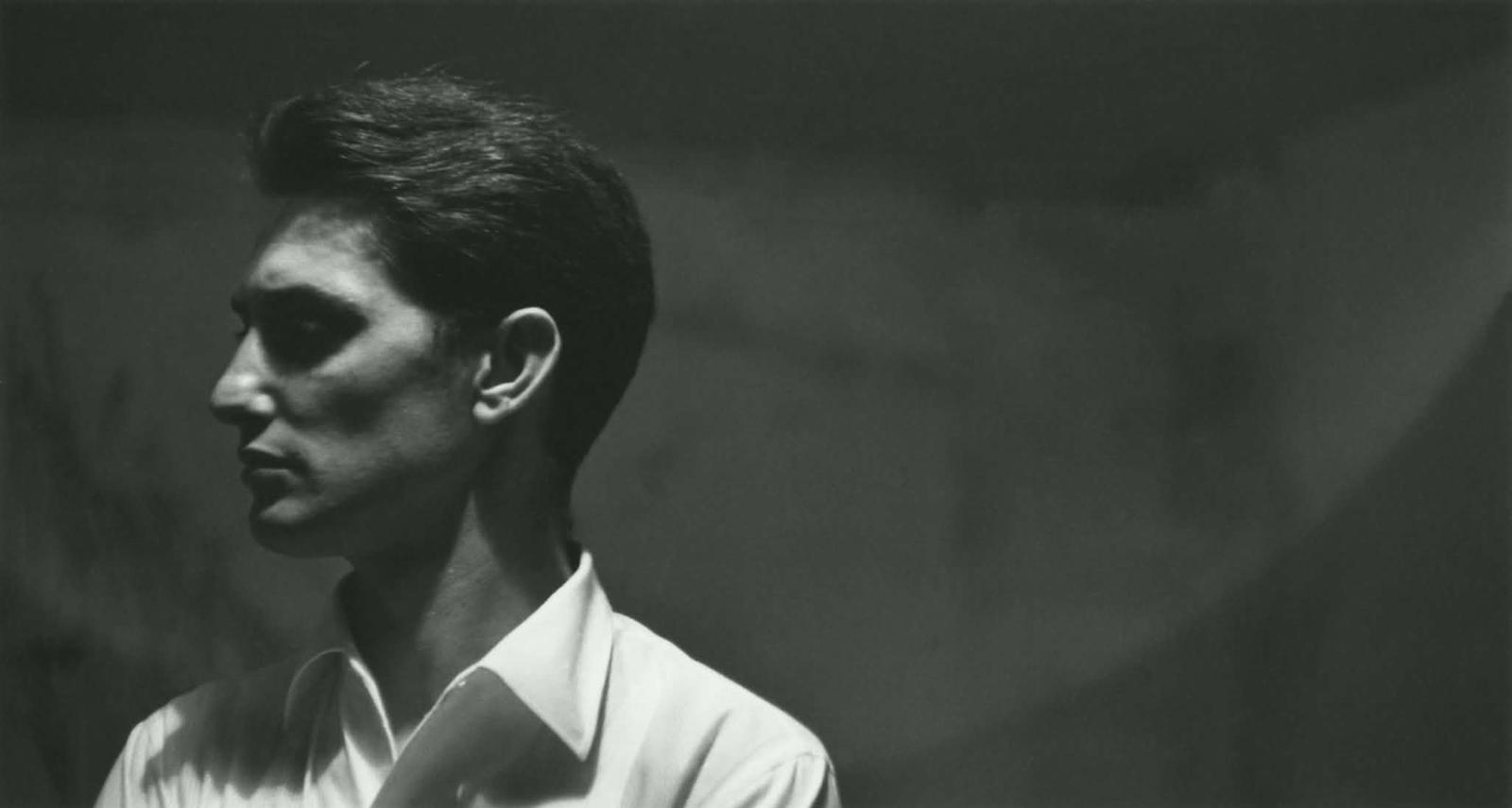
Tancredi Parmeggiani died in Rome in September 1964, thirty-seven years old, leaving behind more than six hundred works and a reputation that has never quite settled into the place it deserves. Celebrated in his lifetime by Peggy Guggenheim, exhibited alongside Pollock and Mathieu, collected by MoMA and the Tate — and yet, decades on, still spoken of as a discovery. A famous unknown, as those who love his work have long called him.
The Fondazione Tancredi Parmeggiani was established in Oslo in 2026 by Alessandro Parmeggiani, the artist's son, to change that. Its purpose is simple to state and substantial to carry out: to preserve Tancredi's legacy, to ensure the rigorous stewardship of his work and archive, and to bring his painting to the audiences and institutions it has always deserved.
But preservation is only part of the mission. The Foundation actively promotes Tancredi's work through exhibitions, scholarly research, publications and educational programmes, in collaboration with museums and cultural institutions across Europe and beyond. It has published the critical catalogue raisonné of his paintings and works on paper, and continues to support new scholarship on his place within postwar Italian and international abstraction.
The Foundation is governed by a board that brings together family legacy, art-historical expertise and legal counsel. Alessandro Parmeggiani serves as Chairman, devoted to ensuring his father's work reaches new generations of scholars and collectors. Professor Luca Massimo Barbero, one of the foremost scholars of Spazialismo and the postwar Italian avant-garde, brings decades of curatorial and academic work to the Foundation's scientific direction. Hanne Karen Landbø, an Oslo-based attorney with broad experience in Norwegian law and public administration, advises on the regulatory and governance frameworks that underpin the Foundation's establishment and operation.
Tancredi once wrote that life is still entirely to be discovered. The Foundation takes that seriously — as a description of his painting, and as a programme for everything that comes next.